Childhood myopia control is one of the most important eye care topics in 2026. Myopia, also called nearsightedness, is no longer just a simple glasses prescription issue for many families. It is now a long-term vision health concern because children are developing myopia earlier, spending more time on screens, and often doing less outdoor activity than previous generations. When myopia progresses quickly, the child may need stronger prescriptions year after year, and the long-term risk of future eye problems can rise as the eye continues to elongate.
That is why parents, optometrists, and pediatric eye specialists are paying closer attention to prevention, early detection, and treatment. Recent research has strengthened the connection between digital screen habits and myopia risk, while modern treatment options have expanded beyond traditional single-vision glasses. In other words, 2026 is not just about correcting blurry distance vision. It is about slowing progression and protecting future eye health.
This topic fits naturally with the educational direction of Bridgemill Eye Care. If your readers are already exploring topics like digital eye strain, AI-powered eye exams, and nutrition and vision, then a guide on childhood myopia control is the next logical step.
Why Childhood Myopia Is Getting More Attention
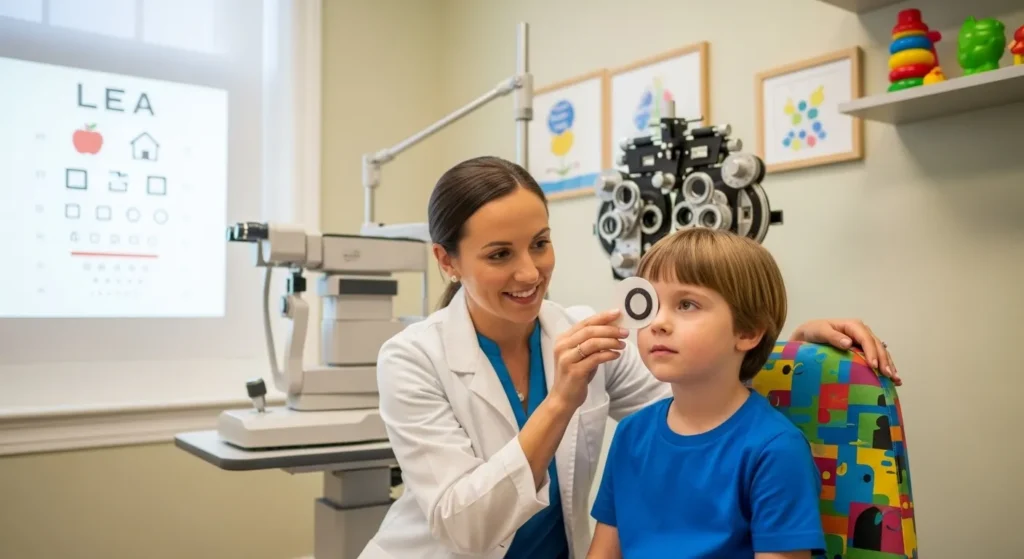
Myopia is becoming a bigger concern because it often starts young and can worsen as a child grows. A 2025 study published in JAMA Network Open found a strong dose-response relationship between digital screen time and myopia risk. At the same time, the FDA authorized the first eyeglass lenses specifically designed to slow progression of pediatric myopia. That combination tells parents something important: this is now an active management issue, not just a wait-and-see issue.
For eye care practices, that shift matters. Parents are asking better questions. They want to know whether their child’s prescription is changing too fast, whether screen use is part of the problem, and what realistic steps can help protect long-term vision.
What Myopia Actually Means for a Child
Myopia causes distant objects to look blurry while near objects remain clearer. In children, it often shows up as squinting, sitting too close to screens, trouble seeing the classroom board, frequent prescription changes, eye rubbing, or complaints of headaches. While glasses or contacts can improve clarity, they do not automatically slow the condition itself.
The bigger concern is progression. If a child’s myopia keeps worsening every year, the eyeball may continue to elongate. That matters because higher levels of myopia are associated with greater long-term risk for problems such as retinal complications, glaucoma, and myopic macular changes later in life. That is exactly why early monitoring matters.
Signs Parents Should Not Ignore
Some parents assume their child will say something if they cannot see well, but that is not always how it works. Children often adapt to blurry vision without realizing their eyesight is changing. Parents should pay attention to signs like:
- Holding books or tablets very close to the face
- Squinting to see the TV or school board
- Frequent headaches after reading or device use
- Complaints that distance vision looks fuzzy
- Rapid prescription changes at annual exams
- Loss of interest in sports or outdoor activities because distance vision is uncomfortable
If several of these signs appear together, it is worth scheduling a comprehensive eye exam rather than assuming the child will “grow out of it.”
How Screen Time Fits Into the Picture
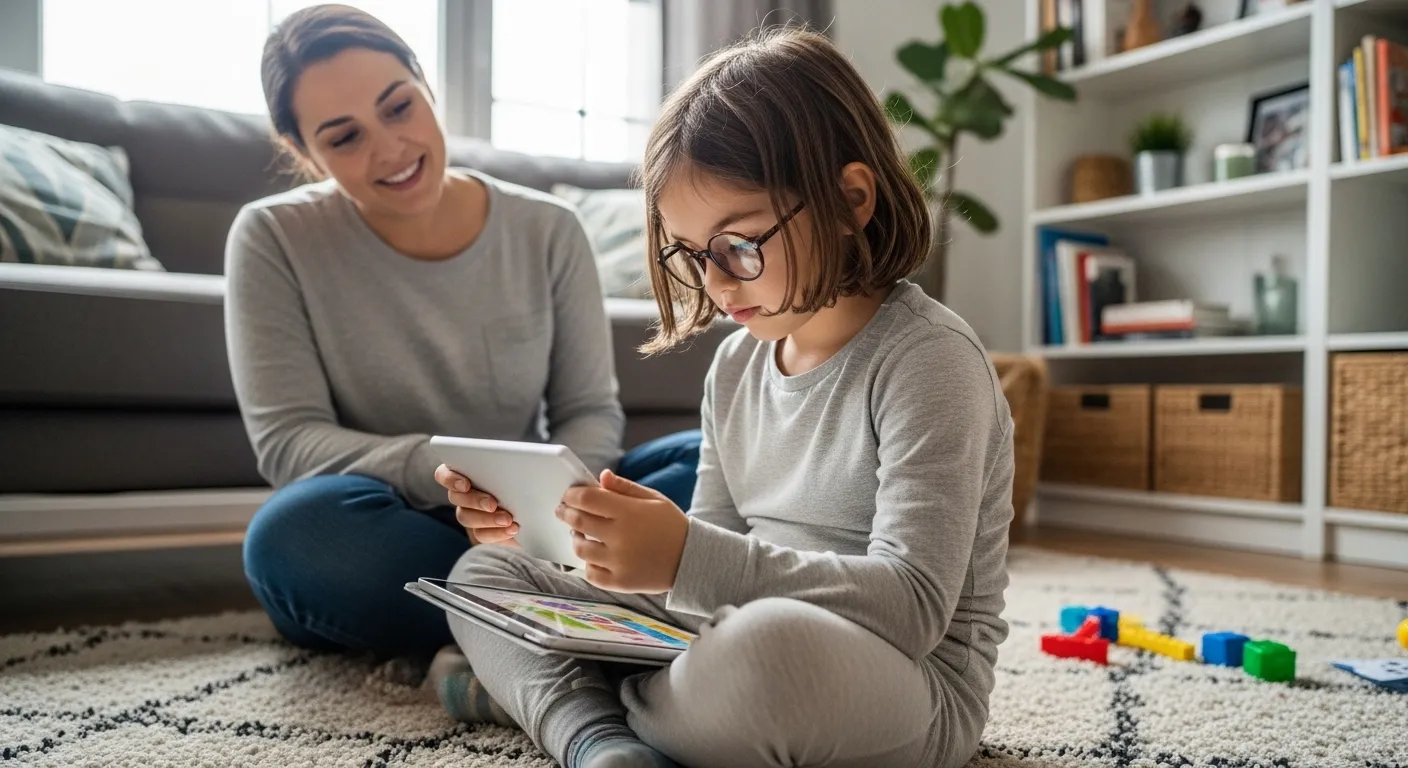
Screen time is not the only cause of myopia, but it is clearly part of the modern conversation. Phones, tablets, laptops, gaming devices, and online school routines all increase near work. The problem is not just the screen itself. It is the combination of near focusing, long uninterrupted visual demand, indoor time, and reduced outdoor activity.
That is why parents should think in terms of visual habits, not just total hours. Long stretches of uninterrupted near work can keep the eyes under constant demand. Smart habits include regular breaks, better posture, appropriate screen distance, room lighting, and a realistic limit on recreational screen use. Readers who want a companion article can also explore How to Prevent Digital Eye Strain in 2025 and Blue Light and Eye Health: Myths and Facts.
Why Outdoor Time Still Matters
Outdoor time continues to be one of the simplest and most practical lifestyle strategies discussed in pediatric myopia conversations. Spending time outside gives children more distance viewing, different visual demands, and brighter natural light exposure than they usually get indoors. It is not a magic cure, but it is one of the habits most often recommended as part of an overall prevention strategy.
For families, this does not have to mean athletic training or major schedule changes. It can mean daily walks, outdoor play after school, weekend park time, or choosing activities that break up long stretches of indoor device use. The goal is consistency, not perfection.
Why Regular Eye Exams Matter More Than Ever
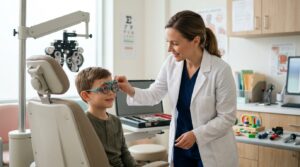
One of the biggest mistakes parents make is waiting until a child complains. Eye exams can catch myopia progression before a child fully understands what is happening. A current exam can measure refractive change, assess overall eye health, and help determine whether the child is a candidate for active myopia management rather than standard prescription updates alone.
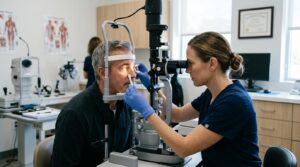
This is also where technology helps. Modern imaging, measurement tools, and digital diagnostic systems can support better monitoring over time. That connects well with your existing article on the future of eye exams, which shows how smarter tools are improving eye care access and accuracy.
Modern Myopia Control Options in 2026
Not every child needs the same approach. The right plan depends on age, prescription, progression rate, eye health, lifestyle, and family preferences. In 2026, common myopia control discussions often include the following options:
1. Specially Designed Myopia Control Glasses
These are not regular single-vision lenses. Newer lens designs are intended to correct distance vision while also influencing peripheral focus in a way that may help slow progression. This area received major attention after the FDA authorized the first spectacle lenses for pediatric myopia progression control in late 2025.
2. Soft Contact Lenses for Myopia Control
Some specially designed soft contact lenses are used for children who are appropriate candidates. These can be a good option for active kids and may also appeal to families already considering contacts. Bridgemill Eye Care’s post on whether contact lenses are a good choice for kids is a useful internal companion topic here.
3. Low-Dose Atropine
The American Academy of Ophthalmology notes that low-dose atropine eye drops may help slow progression in some children. This is a doctor-guided treatment option and not something families should self-manage without professional supervision.
4. Orthokeratology
Orthokeratology, or ortho-k, uses specially fitted overnight contact lenses to temporarily reshape the cornea. It is another option sometimes discussed in pediatric myopia management, especially for families who want daytime freedom from glasses or standard contacts.
The most important point is this: treatment should be individualized. The best plan for one child may not be the best plan for another.
Can Daily Habits Help?
Yes, but daily habits work best as part of a broader strategy. Helpful habits can include:
- Taking breaks during reading and device use
- Encouraging more outdoor play each week
- Keeping screens at a reasonable distance
- Using child-sized workspaces with good lighting
- Supporting sleep, hydration, and general wellness
- Eating a balanced diet that supports overall eye health
Nutrition alone will not stop myopia progression, but it still supports general visual health. For a related internal resource, readers can visit The Connection Between Nutrition and Vision.
When Parents Should Schedule an Exam
Parents should consider a pediatric eye exam if a child is showing symptoms, has a family history of myopia, is spending large amounts of time on near work, or has had frequent prescription changes. Waiting too long can mean missing the window when early intervention would be most useful.
Even if a child already wears glasses, that does not mean the current approach is doing everything possible to slow progression. In 2026, that is the real difference between routine correction and active childhood myopia control.
Final Thoughts
Childhood myopia control is a strong topic for 2026 because it reflects how pediatric eye care is changing. Parents are dealing with more screens, more indoor routines, and more concern about long-term vision health. At the same time, eye care professionals now have better evidence, better monitoring tools, and more treatment options than they did a few years ago.
For Bridgemill Eye Care, this article fits the site naturally because it connects children’s vision, digital habits, preventive care, and modern optometry. More importantly, it gives families practical guidance on a topic that is no longer niche. It is now one of the most relevant conversations in everyday eye care.