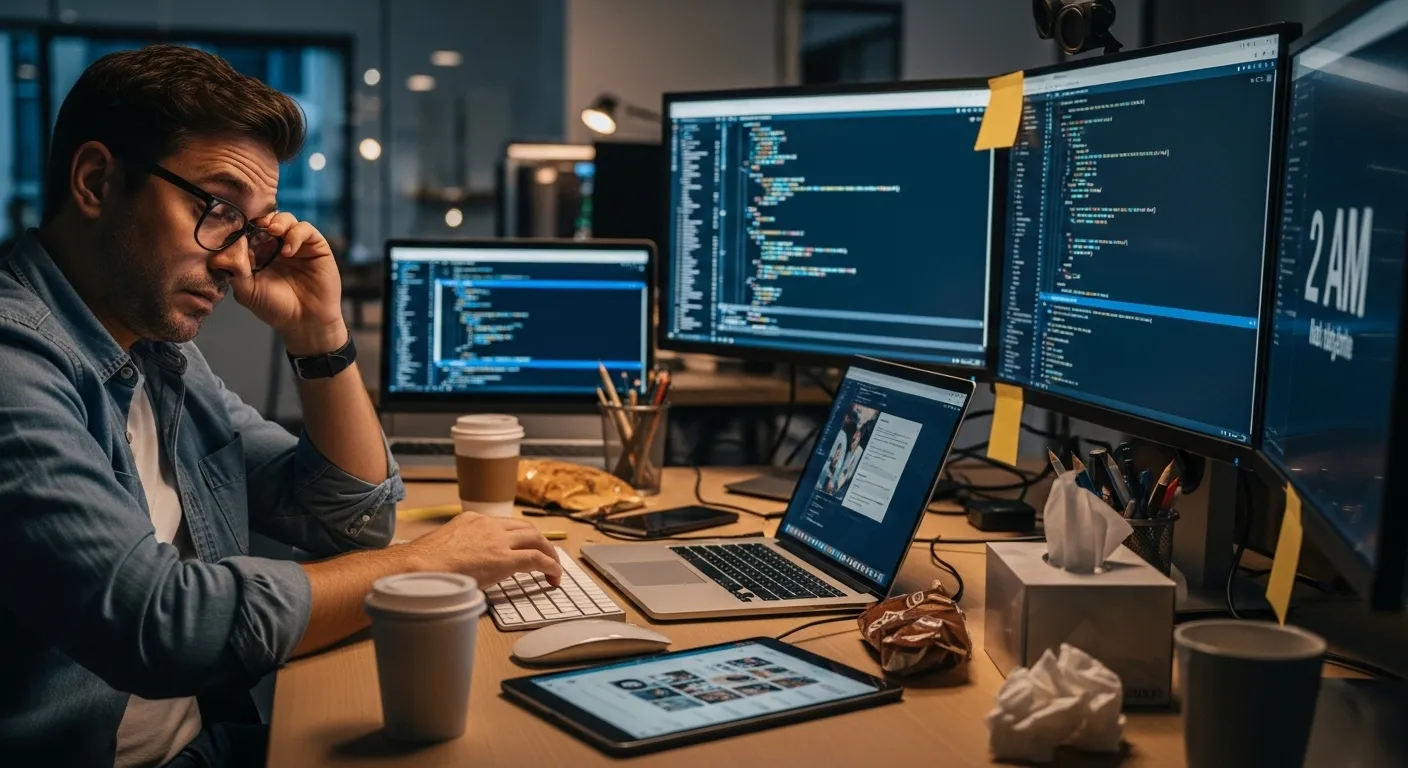
Digital eye strain in 2026 is no longer just a complaint from office workers. It affects students, remote employees, parents, gamers, and anyone who spends hours moving from phone to laptop to television without giving their eyes much recovery time. What makes this topic more relevant now is that many people are not only dealing with tired eyes. They are also dealing with dryness, watering, light sensitivity, headaches, and fluctuating focus after long periods of near work.
This topic fits BridgeMill Eye Care naturally because your site already covers digital eye strain prevention, modern dry eye treatment, and childhood myopia in 2026. A fresh article that connects those subjects gives readers a more realistic picture of what prolonged screen use does to vision.
The good news is that digital eye strain is often manageable. The bad news is that many people guess wrong about the cause. They buy blue light glasses, turn down brightness, or force themselves to “just blink more” without knowing whether the real issue is dryness, focusing fatigue, an outdated prescription, or too much uninterrupted near work. The best results come from understanding what is driving the symptoms first.
Why Digital Eye Strain Feels Worse in 2026
People have always read and worked up close, but the pace is different now. Most adults do not have one screen block in the day anymore. They wake up to a phone, work from a computer, answer messages between tasks, and unwind with more screens at night. That repeated near demand adds up quickly.
Screen habits change the way your eyes work
When you look at a digital screen for long periods, your eyes stay locked into one visual job. The focusing system works harder, the eyes get fewer natural resets, and discomfort can build quietly. That is why many people describe the same pattern: tired eyes, pressure around the brow, trouble refocusing at distance, and a sense that vision gets worse later in the day even though it seemed fine earlier.
Digital eye strain usually does not arrive like an emergency. It builds through repeated habits. By the time someone starts paying attention, it may already be affecting comfort, productivity, and sleep.
Blinking drops when attention goes up
One of the biggest reasons screen fatigue feels worse is simple: concentration changes blinking. When people focus hard, they often blink less. That means the tear film is not being spread across the eye surface as often as it should be. Some people feel dry and gritty. Others notice watery eyes, which sounds backward, but irritated eyes can trigger reflex tearing.
This is why digital eye strain and dry eye overlap so often. If someone already has unstable tears or early meibomian gland dysfunction, screen time can turn a mild issue into an everyday problem.
Dry environments make symptoms spiral faster
Air conditioning, fans, low humidity, contact lenses, and long indoor workdays can make symptoms more obvious. The screen may start the complaint, but the environment often keeps it going. That is why surface health matters. A person can reduce device use slightly and still feel uncomfortable if the tear film remains unstable.
That is also why an internal link to your post on dry eye in 2026 makes sense here. Many readers will realize their issue is not only screen fatigue. It is screen fatigue plus dry eye.
The problem is not always “just tired eyes”
Digital eye strain is sometimes treated like a temporary annoyance that disappears after one good night of sleep. Sometimes that happens. Other times, the symptoms point to something else underneath. It may be an outdated glasses prescription, uncorrected astigmatism, poor contact lens tolerance, binocular vision stress, or dry eye disease. The complaint sounds simple, but the cause is not always simple.
That is why guessing has limits. Random screen glasses may help a little, but they will not tell you whether the main problem is focusing effort, dryness, or a prescription that has quietly changed.
Blurry vision can come from focusing fatigue, dryness, or outdated prescriptions
Blurry vision after screen use is one of the most ignored warning signs. It improves after blinking, dryness may be part of the picture. Distance vision feels slow to clear after near work, focusing fatigue may be involved. If blurring is becoming more frequent, the prescription itself may need attention.
This is where your existing article on blue light myths and facts also fits. Many readers assume blue light is the whole problem, but visual demand and tear-film instability are often the bigger issues.
Kids and teens are part of this conversation too

Adults are not the only ones dealing with digital eye strain in 2026. Children and teens now spend large parts of the day on school devices, phones, gaming systems, and tablets. Parents often notice the same clues at home: eye rubbing, complaints of headaches, holding screens too close, or saying distance vision looks blurry after long periods of near work.
That does not mean every child with screen fatigue is becoming nearsighted, but it does mean near-work habits and early exams matter. This article creates a natural bridge to your post on screen time, outdoor time, and modern myopia control.
Outdoor time still matters even in a screen-first world
Families often look for one perfect fix, but healthier eye habits work together. Better breaks, comfortable viewing distance, good lighting, and more outdoor time all matter. Outdoor time does not erase heavy screen exposure, but it helps break the nonstop cycle of near demand and supports healthier visual routines overall.
What Actually Helps and When to Schedule an Eye Exam
The most effective relief plan is usually simple, but it has to be consistent. Quick hacks are not enough if the habits causing the problem continue every day. Start with regular screen breaks, a comfortable viewing distance, conscious blinking during intense tasks, and less direct airflow from vents or fans. If you wear contact lenses and your eyes feel worse late in the day, do not ignore that pattern.
It also helps to stay practical. The goal is not a perfect workstation that lasts two days. The goal is daily habits you will actually keep. Many people get better results from repeatable changes than from routines they abandon after a week.
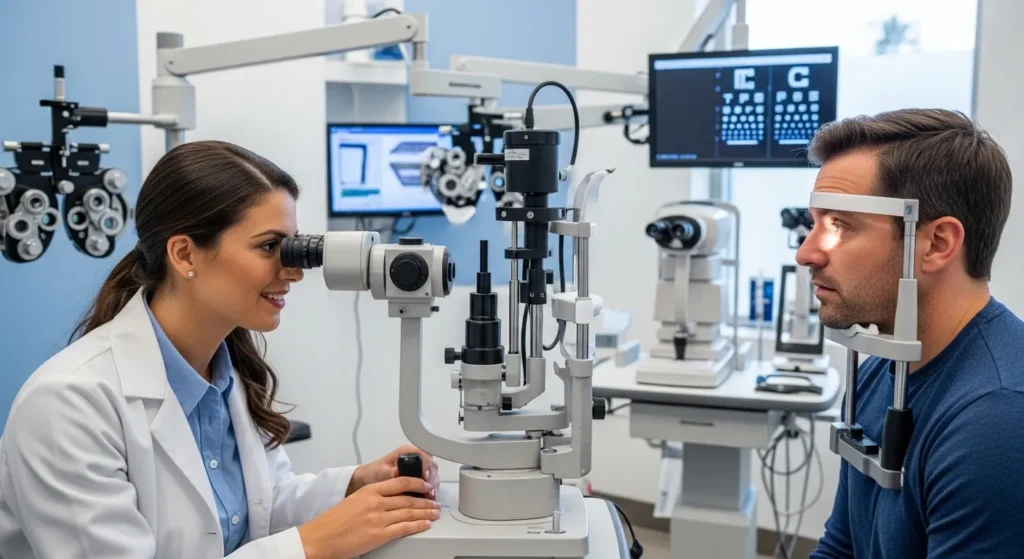
There is also a point where home strategies stop being enough. If symptoms keep returning, if you rely on artificial tears all day, if vision fluctuates regularly, or if discomfort is affecting work or school, it is time for an exam. That matters because treatment changes depending on the cause. People need better screen habits. Some need dry-eye care. Some need an updated prescription. Need a more complete evaluation of how their eyes focus and work together.
An exam turns a vague complaint into a specific plan. That is the real value. Instead of guessing harder, you find out whether the main issue is dryness, visual demand, refractive error, or a combination of several problems at once.
For readers who want an outside authority on practical screen-use guidance, the American Academy of Ophthalmology’s advice on digital devices and your eyes is a useful resource. If dryness is part of the complaint, its overview of dry eye symptoms, causes, and treatment is worth reading too.
Bottom line: digital eye strain in 2026 is not just about screens being annoying. It is about how modern screen habits interact with blinking, tear-film stability, focusing demand, and underlying vision needs. Once the real cause is identified, relief becomes more realistic. The smartest next step is not buying random fixes. It is matching the solution to the reason your eyes are struggling in the first place.