
Dry eye used to be treated like a minor annoyance: buy artificial tears, blink more, and move on. In 2026, that mindset is outdated. For millions of people, dry eye is chronic, disruptive, and tightly linked to a specific root cause: Meibomian Gland Dysfunction (MGD), the leading driver of evaporative dry eye.
That’s why dry eye treatment 2026 is trending so hard. Patients aren’t satisfied with “use drops forever.” They’re searching for solutions that address the cause, not just the symptoms—especially office-based treatments like intense pulsed light (IPL), thermal pulsation, lid hygiene systems, and newer prescription options. Major eye-health authorities and recent peer-reviewed research support this shift toward targeted therapy and better long-term control.
Disclaimer: This article is educational and not a substitute for medical advice. If you have severe pain, sudden vision changes, light sensitivity, or a red eye that won’t improve, seek urgent eye care.
Why dry eye feels worse in 2026
People often ask: “Why does it feel like everyone has dry eye now?” The blunt answer is lifestyle + environment + aging. In 2026, more people spend long hours on screens, work in dry indoor air, and blink less. The result is a tear film that breaks up faster and a surface that becomes inflamed.
Bridgemill Eye Care has already covered the screen side of this problem well, so this is a strong internal link for readers who are heavy device users:
But “screen habits” aren’t the full story. Dry eye often persists even when people try blinking exercises and hydration. That’s where MGD comes in.
What is MGD (and why it matters more than most people realize)
Your tear film isn’t just water. It has layers—especially an oily layer produced by the meibomian glands in your eyelids. That oil slows evaporation. When those glands get blocked or the oil quality changes, tears evaporate faster and the eye surface becomes irritated. That’s Meibomian Gland Dysfunction.
Cleveland Clinic describes MGD as a condition where these glands don’t work correctly, contributing to dry eye symptoms and irritation. Common home measures include warm compresses, gentle lid massage, and lid hygiene—but persistent cases often need more than home care.
Cleveland Clinic: Meibomian Gland Dysfunction
The American Academy of Ophthalmology (AAO) also discusses evaporative dry eye associated with MGD and outlines staged treatment concepts. :contentReference[oaicite:1]{index=1}
Signs your dry eye is likely MGD-driven
Many people with MGD don’t realize it. They assume dry eye is “not making enough tears,” but evaporative dry eye often looks like this:
- Burning, stinging, gritty sensation
- Watery eyes (yes, excessive tearing can happen when the surface is irritated)
- Fluctuating vision that improves after blinking
- Symptoms worse at the computer, in AC, in wind, or while driving
- Eyelid crusting or oiliness; sometimes eyelid tenderness
If you want a broader overview of multiple eye issues (including dry eye), this internal post fits nicely:
Why artificial tears often “stop working”
Artificial tears can help—but they don’t fix blocked glands. If the oily layer is missing or unstable, adding more watery tears can be like pouring water into a bucket with holes. You may feel temporary relief, then symptoms return fast.
This is why modern dry eye care is shifting from “drops only” to a layered approach: lifestyle + eyelid treatment + anti-inflammatory control when needed + office therapies for stubborn MGD.
Dry eye treatment 2026: what actually works (step-by-step)
Think of this as a practical ladder. Most people don’t need everything. But if step 1 fails, you move up—not sideways.
Step 1: Daily basics (the foundation)
- Warm compresses: heat helps soften thickened oils so glands can flow better.
- Lid hygiene: gentle cleansing reduces debris/biofilm along the lash line.
- Screen strategy: regular breaks and blinking awareness reduce evaporation load.
- Environment fixes: humidifier, reduce direct fan/AC blast, wrap-around eyewear outdoors.
AAO and other clinical resources consistently include warm compresses and lid care as first-line steps for MGD-associated evaporative dry eye. :contentReference[oaicite:2]{index=2}
Step 2: Lipid-based tears and targeted products
If MGD is a major driver, many clinicians recommend lipid-containing lubricants (the goal is supporting the tear film’s oil layer). This is still “drops,” but it’s more targeted than generic artificial tears. :contentReference[oaicite:3]{index=3}
Step 3: Treat inflammation and the ocular surface (when needed)
Dry eye is often inflammatory. If the surface is chronically irritated, reducing inflammation can matter as much as lubrication. The AAO has discussed the expanding pipeline for dry eye therapies, including approaches that go beyond lubricants. :contentReference[oaicite:4]{index=4}
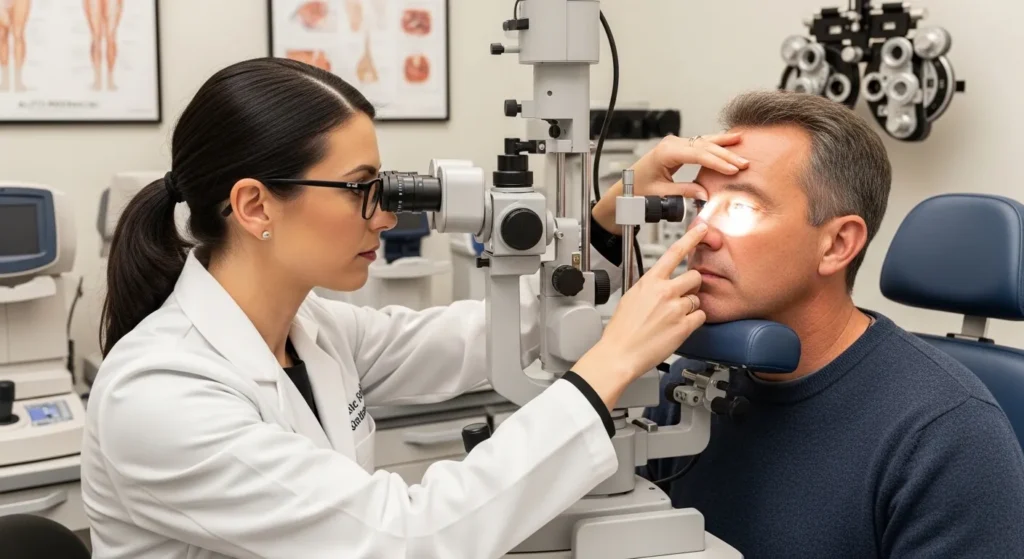
This is also why an exam is important: the “right” treatment depends on whether your dry eye is evaporative, aqueous-deficient, mixed, or complicated by allergies, contact lens wear, or blepharitis.
Step 4: Office-based therapies for MGD (where 2026 is heading)
Here’s the big trend shift: more patients are moving into office-based MGD treatments when home care and standard drops aren’t enough.
Common office-based categories include:
- Meibomian gland expression / lid margin cleaning: helps clear obstruction and reduce inflammatory load.
- Thermal pulsation systems: controlled heat + pressure to evacuate glands (varies by device).
- IPL (Intense Pulsed Light): light-based therapy used in many practices for MGD-associated dry eye.
Peer-reviewed research continues to support IPL’s ability to improve tear film stability, meibomian gland function, and dry eye symptoms in MGD-driven cases. :contentReference[oaicite:5]{index=5}
What is IPL for dry eye (and who is it for)?
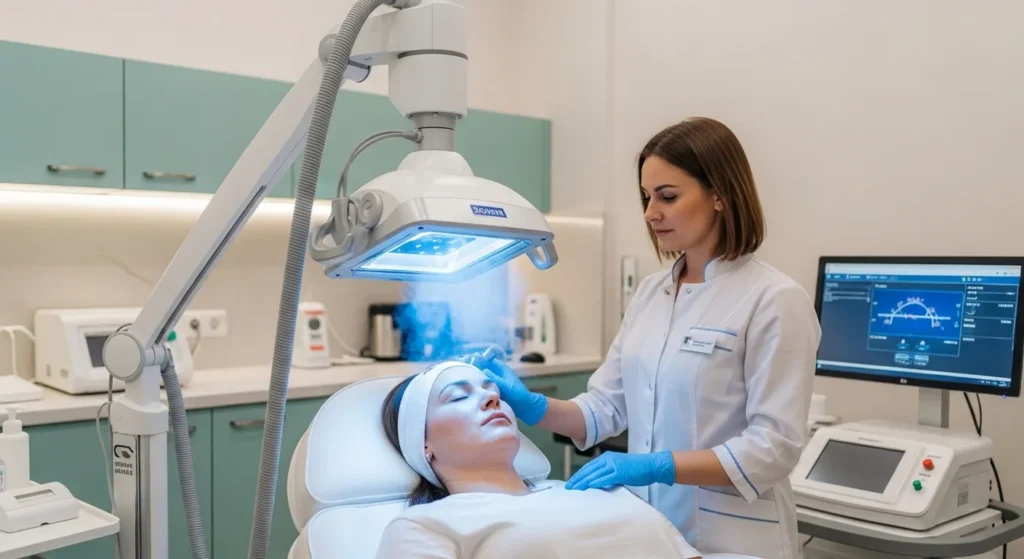
IPL is best known in dermatology, but it has become a recognized tool in dry eye care—especially for MGD. The basic concept: controlled light pulses are applied around the eyelids/face region, targeting factors that contribute to gland dysfunction and inflammation. Many patients pursue IPL after they’ve tried months (or years) of warm compresses and drops with limited relief.
A 2025 Scientific Reports paper found IPL therapy improved tear film stability and MGD-related signs and symptoms in dry eye patients. :contentReference[oaicite:6]{index=6}
Important: IPL isn’t “one and done” for everyone. Some people need a series of treatments and ongoing maintenance steps. It’s also not appropriate for every patient (skin type, medical history, and eye condition matter). That’s why it should be discussed with an eye care professional who evaluates your specific dry eye profile.
The “new” reality: dry eye care is becoming more personalized
Dry eye isn’t a single disease. It’s a spectrum. Modern guidance like TFOS DEWS reports emphasize staged management and tailoring therapy to what’s driving the condition (evaporation, inflammation, lid disease, etc.). :contentReference[oaicite:7]{index=7}
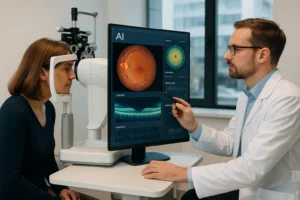
That personalization is also where technology is pushing eye care forward—especially diagnostics, imaging, and remote follow-ups. If you want a technology-forward internal link:
Quick self-check: when you should stop guessing and get evaluated
At-home care is fine for mild symptoms. But get evaluated if:
- Your symptoms persist beyond 2–4 weeks of consistent lid care
- Your vision fluctuates noticeably or you struggle with night driving
- You need drops constantly just to function
- You wear contacts and comfort is declining
- You have eyelid pain, swelling, or frequent styes
Also seek urgent care for severe pain, sudden vision loss, significant light sensitivity, or a red eye with discharge.
Bottom line
Dry eye treatment 2026 is trending because people are done with “just use drops.” More dry eye is MGD-driven than most patients realize, and modern care is increasingly focused on restoring tear film stability by treating the eyelids and glands—sometimes with office therapies like IPL and thermal options, plus targeted anti-inflammatory support when needed. :contentReference[oaicite:8]{index=8}
If you suspect MGD or your symptoms keep returning, the fastest path is a proper evaluation that matches the treatment to the cause—so you’re not stuck in an endless cycle of temporary relief.
Related reading on BridgemillEyeCare.com: