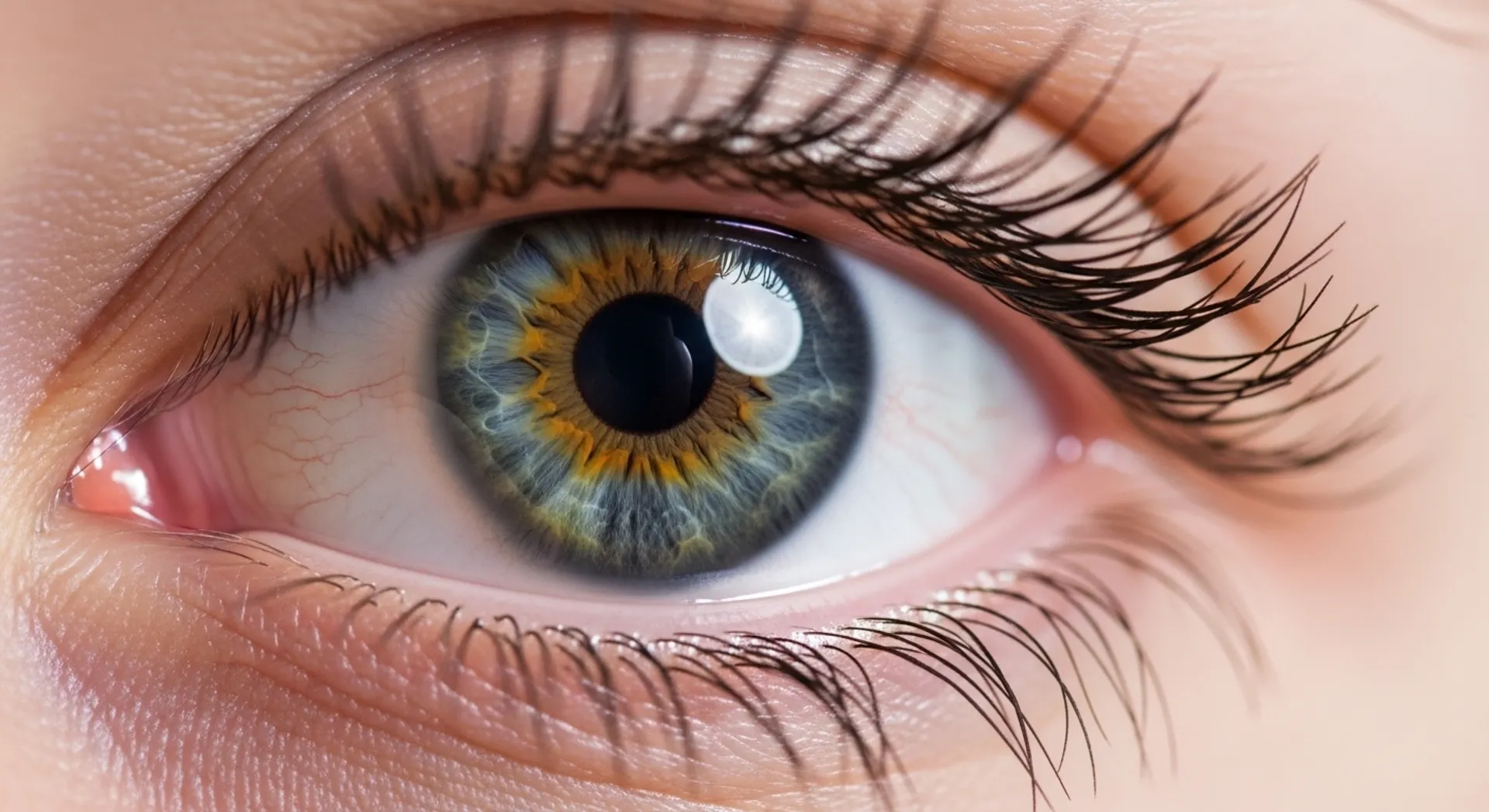
Dry eye syndrome is a common and often chronic eye condition that affects millions of people. It occurs when the eyes do not produce enough tears or when the quality of tears is poor, leading to irritation, discomfort, and vision problems. If you experience burning, redness, or a gritty sensation in your eyes, professional dry eye treatment can help restore comfort and protect your eye health.
What Is Dry Eye Syndrome?
Dry eye syndrome develops when the tear film that coats the surface of the eye becomes unstable. Tears play a critical role in keeping the eyes lubricated, clear, and protected from infection. When tear production or tear quality is disrupted, the eyes can become dry, inflamed, and vulnerable to damage.
Dry eye can range from mild and occasional to severe and persistent, significantly impacting daily activities such as reading, driving, and using digital devices.
Common Causes of Dry Eye
Dry eye syndrome can result from a variety of factors, often occurring together rather than in isolation. Common causes include:
- Aging, which naturally reduces tear production
- Prolonged screen use and reduced blinking
- Contact lens wear
- Environmental factors such as wind, smoke, or dry air
- Hormonal changes
- Certain medications, including antihistamines and antidepressants
Identifying the underlying cause is essential for selecting the most effective dry eye treatment.
Signs and Symptoms of Dry Eye Syndrome
Dry eye symptoms can vary in severity and may affect one or both eyes. Common symptoms include:
- Burning, stinging, or itching sensations
- Red or irritated eyes
- A gritty or sandy feeling in the eyes
- Blurred or fluctuating vision
- Watery eyes caused by reflex tearing
- Eye fatigue, especially after screen use
Persistent symptoms should be evaluated by an eye care professional to prevent long-term complications.
How Dry Eye Is Diagnosed
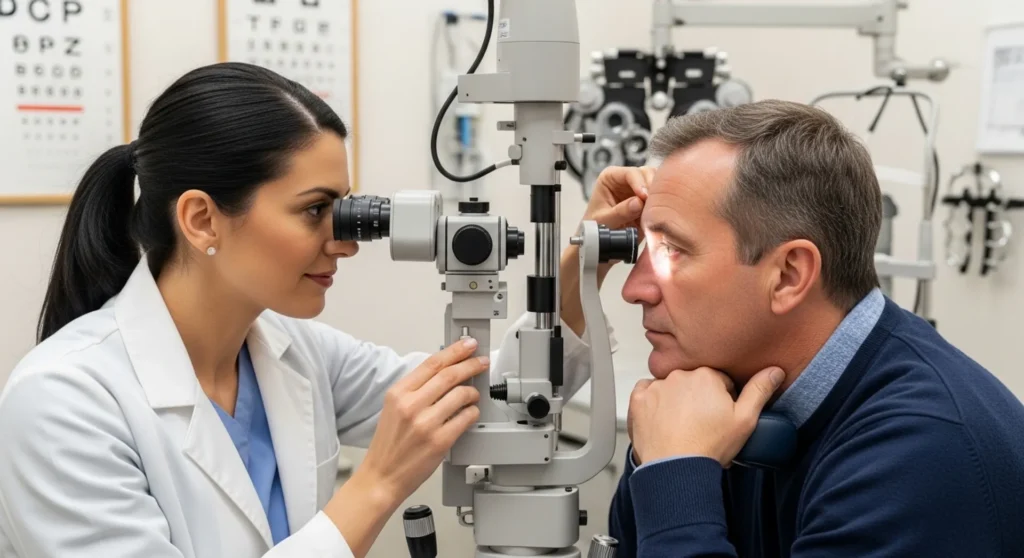
Diagnosing dry eye syndrome involves more than simply reviewing symptoms. During a comprehensive eye exam, your optometrist may evaluate tear quantity, tear quality, and the health of the ocular surface.
Specialized tests can measure how quickly tears evaporate and whether inflammation or blocked oil glands are contributing to the condition. An accurate diagnosis allows for a more personalized treatment approach.
Types of Dry Eye
There are two primary forms of dry eye syndrome, though many patients experience a combination of both:
Aqueous Deficient Dry Eye
This occurs when the eyes do not produce enough tears to keep the surface properly lubricated.
Evaporative Dry Eye
This form is caused by poor tear quality, often due to dysfunction of the meibomian glands, which produce the oily layer of tears.
Understanding the type of dry eye you have helps guide treatment decisions.
Modern Dry Eye Treatment Options
Advances in eye care have led to a wide range of effective dry eye treatment options. Treatment plans are often customized based on the severity and cause of the condition.
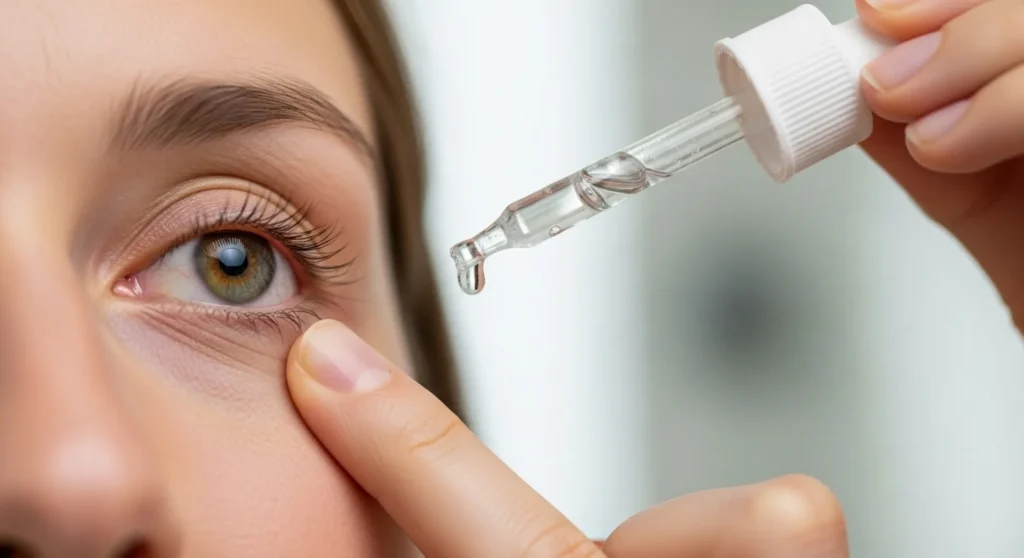
- Prescription or preservative-free artificial tears
- Anti-inflammatory eye drops
- Warm compress therapy for oil gland dysfunction
- Lifestyle and environmental modifications
- Adjustments to contact lens use
Your eye doctor may recommend one or more therapies to achieve long-lasting relief.
The Role of Lifestyle Changes
In addition to clinical treatments, small lifestyle changes can significantly improve dry eye symptoms. These may include taking regular breaks from screens, increasing indoor humidity, wearing protective eyewear outdoors, and staying well hydrated.
Patients who follow both medical and lifestyle recommendations often experience better long-term outcomes.
Why Professional Dry Eye Treatment Matters
Untreated dry eye syndrome can lead to chronic inflammation, eye infections, and damage to the corneal surface. Over-the-counter drops may provide temporary relief but do not address the underlying cause.
Professional dry eye treatment focuses on long-term eye health, symptom control, and prevention of complications.
When to See an Eye Doctor
If dry eye symptoms persist despite using artificial tears, or if discomfort interferes with daily life, it is time to schedule an eye exam. Early intervention can prevent symptoms from worsening and improve quality of life.
An optometrist can also determine whether dry eye is related to another eye condition or systemic health issue.
Dry Eye Care at Bridge Mill Eye Care
At Bridge Mill Eye Care, we provide comprehensive evaluations and personalized dry eye treatment plans tailored to each patient’s needs. Our goal is to restore comfort, improve vision, and protect long-term eye health.
If you are experiencing symptoms of dry eye syndrome, scheduling an eye exam is the first step toward lasting relief.