
UV eye protection is not just a summer topic. Your eyes need protection in every season, especially when sunlight reflects from roads, water, windows, sand, snow, and car windshields. Many people wear sunglasses for comfort or style. However, the real value comes from blocking ultraviolet rays before they damage delicate eye tissues.
In 2026, more eye health conversations focus on daily habits. People spend more time on screens, more time driving, and more time outdoors during high UV hours. At the same time, many still choose sunglasses based on tint, shape, or brand instead of real UV protection. That can leave the eyes exposed.
The right sunglasses can support long-term eye health. They can reduce glare, improve outdoor comfort, protect the skin around the eyes, and lower exposure to harmful UV rays. They also work best when paired with regular eye exams, healthy habits, and smart screen breaks.
This guide explains why UV eye protection matters, how to choose better sunglasses, and when to schedule an eye exam if sun exposure, glare, or vision changes start affecting daily life.
Why UV Eye Protection Matters for Long-Term Vision
UV rays are invisible, but they can still affect the eyes. The sun gives off UVA and UVB rays. Long-term exposure may raise the risk of cataracts, growths on the eye, eye surface irritation, and other eye problems. The risk builds over time, so daily protection matters.
The CDC says sunglasses help protect the eyes from UV rays and reduce cataract risk. The CDC also recommends sunglasses that block both UVA and UVB rays. Wraparound sunglasses can add more protection because they block light from the sides.
The American Academy of Ophthalmology also advises people to choose sunglasses labeled with 100% UV protection. Dark lenses alone do not guarantee protection. In fact, dark lenses without proper UV filtering can give a false sense of safety.
Sun Damage Can Build Slowly
Eye damage does not always happen in one dramatic moment. It often builds through repeated exposure. Short outdoor walks, long drives, beach days, gardening, sports, and errands can all add up.
This is why UV eye protection should become a normal habit. You do not need to wait for a bright summer afternoon. UV rays can still reach your eyes on cloudy days. They can also reflect from surfaces around you.
People who spend a lot of time outdoors should take extra care. This includes drivers, athletes, construction workers, landscapers, beachgoers, hikers, and children. Kids may receive more lifetime UV exposure because they spend more time outside and may forget sunglasses.
Cataracts and UV Exposure
Cataracts happen when the eye’s natural lens becomes cloudy. Aging remains a major factor, but UV exposure can also play a role. Sunglasses cannot stop every cataract, but they can reduce avoidable UV exposure.
If you notice cloudy vision, glare at night, faded colors, or trouble reading in bright light, schedule an eye exam. These symptoms may point to cataracts or another vision issue. Early evaluation gives you better options.
The Skin Around the Eyes Needs Protection Too
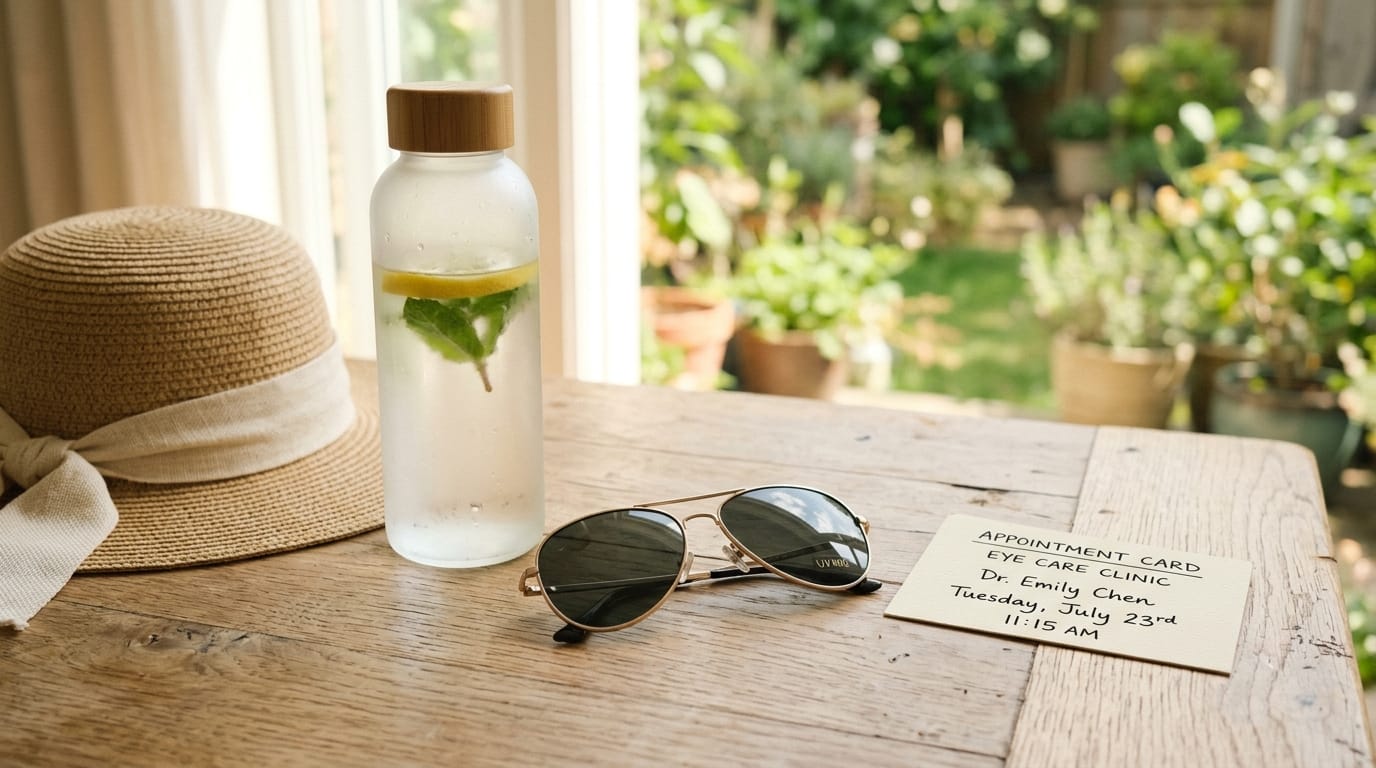
The skin around the eyes is thin and sensitive. Sunglasses help shade this area. A wide-brimmed hat can add even more protection.
This matters because sun exposure affects more than the eyeball. It can also affect eyelids and surrounding skin. Good sunglasses protect both comfort and appearance, but the health benefit matters most.
How to Choose Sunglasses That Actually Protect Your Eyes
Not all sunglasses protect well. A high price does not always mean better UV filtering. A dark lens does not always mean safer vision. The label matters more than the shade.
Look for sunglasses marked “100% UV protection,” “UV400,” or “blocks 99% to 100% of UVA and UVB rays.” These labels tell you the lenses block the harmful ultraviolet range. If the tag does not clearly say this, choose another pair.
Fit also matters. Large lenses and wraparound frames protect better because they reduce side exposure. This helps during driving, sports, boating, beach trips, and outdoor work.
Polarized Does Not Always Mean UV-Protected
Polarized lenses reduce glare. They can help during driving, fishing, boating, and other bright outdoor activities. However, polarization and UV protection are not the same thing.
A good pair can have both. Still, check the label. Choose sunglasses that clearly state UV400 or 100% UV protection. Do not rely only on the word “polarized.”
Children Need Sunglasses Too

Children need eye protection just like adults. They often spend more time outside, and their outdoor habits can shape lifelong eye health. Choose lightweight, durable sunglasses with real UV protection.
Make it easy for kids to wear them. Keep a pair in the car, school bag, stroller, or sports bag. A hat can also help when children refuse sunglasses.
Daily Habits That Support UV Eye Protection
UV eye protection works best as part of a full eye care routine. Sunglasses matter, but they are only one step. Your eyes also need rest, nutrition, hydration, and regular exams.
If you spend many hours on screens, take visual breaks. The CDC recommends the 20-20-20 rule for eye strain: every 20 minutes, look about 20 feet away for 20 seconds. This simple habit can reduce screen fatigue and remind you to blink more often.
Outdoor habits matter too. Wear sunglasses during errands, commutes, walks, beach days, and sports. Add a hat when sunlight feels strong. Avoid staring toward reflective surfaces for long periods. Keep backup sunglasses in places you use often.
When to Schedule an Eye Exam
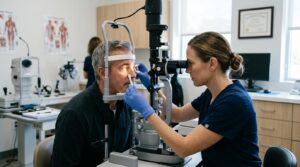
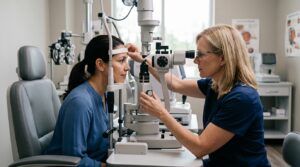
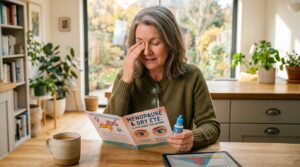
Book an eye exam if you notice blurry vision, glare, light sensitivity, headaches, eye pain, dry eyes, or trouble seeing at night. Do not wait until symptoms feel severe. Many eye conditions are easier to manage when found early.
You should also schedule routine exams even when your vision feels fine. Some eye diseases develop quietly. A comprehensive exam can check more than your prescription. It can also help detect signs of cataracts, glaucoma, diabetic eye disease, dry eye, and retinal changes.
For more support, read Bridgemill Eye Care’s guide on common eye problems and how to prevent them. You can also explore the full eye care articles section for more vision tips.
Nutrition can also support eye health. Leafy greens, colorful fruits, omega-3 foods, and proper hydration all play a role in overall wellness. For more ideas, visit the article on nutrition and vision.
If screens make your eyes feel tired, dry, or blurry, read Digital Eye Strain in 2026. Screen habits and sun habits often overlap because both affect daily comfort.
For an authoritative outside resource, review the CDC’s sun safety guidance and the American Academy of Ophthalmology’s guide on choosing sunglasses for UV protection.
Final takeaway: UV eye protection should be part of everyday eye care. Choose sunglasses that block 99% to 100% of UVA and UVB rays, look for UV400 labels, protect children’s eyes, and wear sunglasses beyond summer. Your eyes work hard every day. Protecting them from sun damage is one of the simplest ways to support clearer, healthier vision over time.