Eye drop recalls 2026 have made many dry eye patients more careful about the products they use every day. Artificial tears can help with burning, dryness, irritation, and screen-related discomfort. However, eye drops must stay sterile because they go directly onto the eye surface. When a recall mentions sterility concerns, patients should take it seriously.
This does not mean every bottle of artificial tears is unsafe. It also does not mean people should stop treating dry eye. Instead, patients should learn how to check labels, store drops correctly, avoid contamination, and recognize symptoms that need professional care. Smart habits can lower risk while still giving dry eyes the moisture and comfort they need.
The topic is especially important now because dry eye has become more common. Long screen hours, indoor air, aging, contact lens use, allergies, and certain medications can all make symptoms worse. Bridgemill Eye Care already covers this issue in Dry Eye in 2026 and Digital Eye Strain in 2026. This guide adds another layer: how to use drops safely when recalls and infection concerns are in the news.
Artificial tears can be useful, but they are not all the same. Some come in preservative-free single-use vials. Others come in multi-dose bottles. Some target mild dryness. Others feel thicker and last longer. Because the choices can feel confusing, patients should focus on safety first, then comfort, then long-term dry eye control.
Why Eye Drop Recalls Matter for Dry Eye Patients
Eye drop recalls matter because the eye has less protection than other parts of the body. A product used on the eye needs careful manufacturing and clean handling. If germs enter a bottle or if a product lacks sterility, the risk can become serious. Redness, pain, discharge, light sensitivity, and blurred vision should never be ignored after using drops.
In 2026, many patients became more aware of this issue after a large eye drop recall involving millions of bottles. The concern centered on sterility assurance, not ordinary dryness treatment itself. Still, the recall reminded people that over-the-counter products deserve the same caution as other health products.
For official safety context, the FDA has warned consumers in past eye drop alerts that ophthalmic drugs are intended to be sterile and may pose a higher risk when quality problems occur. You can review the FDA eye drop warning here: FDA eye drop safety warning.
Artificial Tears Help Symptoms, But They Do Not Fix Every Cause
Artificial tears can reduce dryness and irritation, but they do not always treat the root cause. Many people have evaporative dry eye linked to meibomian gland dysfunction. In that case, the oily layer of the tear film does not work well. Tears evaporate too quickly, so the eyes feel dry again soon after using drops.
Screen habits can make this worse. People blink less when using phones, laptops, tablets, or gaming screens. As a result, the tear film becomes unstable. If you also work in air conditioning or dry indoor air, symptoms may build throughout the day.
Preservative-Free Drops May Help Frequent Users
Some patients use artificial tears many times a day. For frequent use, preservative-free drops may be gentler. Preservatives help protect multi-dose bottles, but they can irritate sensitive eyes when used often. Single-use vials lower that concern because each vial is opened and discarded after use.
However, preservative-free does not mean risk-free. Patients still need clean hands, proper storage, and careful use. The tip should never touch the eye, eyelashes, fingers, or skin. Once contamination enters a vial or bottle, the product can become unsafe.
Redness Relief Drops Need Extra Caution
Many people confuse artificial tears with redness relief drops. They are not the same. Artificial tears lubricate the eye surface. Redness relief drops may shrink blood vessels to make the eye look whiter. That cosmetic effect can hide symptoms instead of solving the cause.
Overusing redness relief drops can also create rebound redness. The eyes may look better briefly, then become red again. If redness keeps returning, the better choice is an eye exam. Persistent redness may come from dry eye, allergy, infection, inflammation, contact lens problems, or another condition.
How to Check Eye Drops After a Recall
When eye drop recalls 2026 appear in the news, patients should check their bottles carefully. Start with the brand name, product name, lot number, expiration date, and package size. Recalls often affect specific lots, not every product from every brand. If your bottle matches a recalled product, stop using it and follow the recall instructions.
Do not try to “finish the bottle” just because it looks normal. Contamination may not change the color, smell, or feel of the drops. Also, do not pour drops into another container. That can create more contamination risk. If you are unsure whether a bottle is affected, contact the retailer, manufacturer, pharmacist, or eye care professional.
Patients with dry eye should also review their full routine. If you use several products, check each one. This includes lubricating drops, gel drops, redness drops, allergy drops, and contact lens rewetting drops. A clean eye care routine matters more when symptoms require daily treatment.
Do Not Share Eye Drops With Anyone
Eye drops should be personal items. Do not share them with a spouse, child, friend, or coworker. Sharing can spread germs from one person to another. This is especially risky if someone has redness, discharge, itching, crusting, or an active infection.
Also avoid using old bottles found in a purse, car, desk, or bathroom drawer. Heat, time, and poor storage can affect product quality. If the expiration date has passed, throw the bottle away. If the bottle looks damaged, dirty, cloudy, or unusual, do not use it.
Safe Eye Drop Habits for 2026 and Beyond
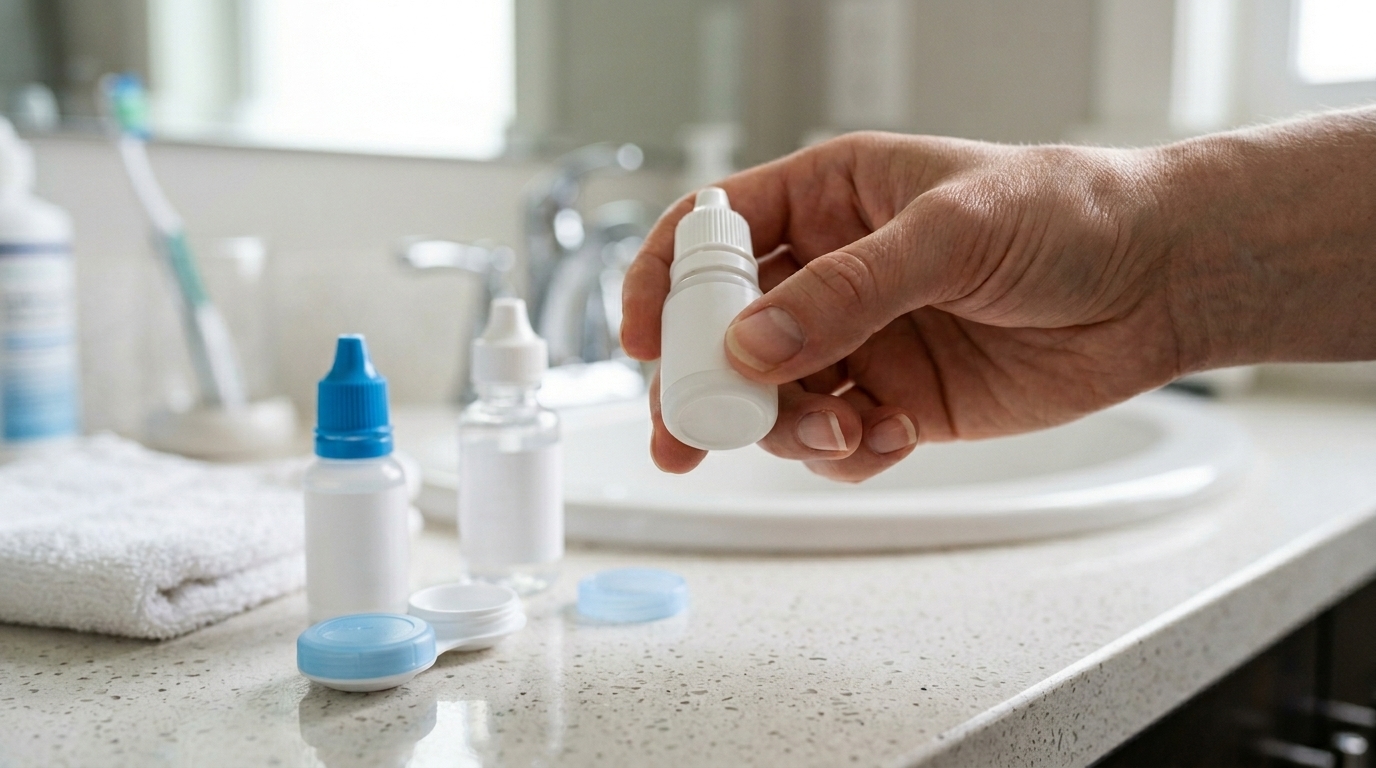
Safe eye drop habits begin before the bottle opens. Wash your hands first. Read the label. Confirm the product matches your need. Tilt your head back, pull the lower eyelid down gently, and place one drop into the pocket of the lower lid. Then close the eye softly. Do not squeeze the eyelids tightly.
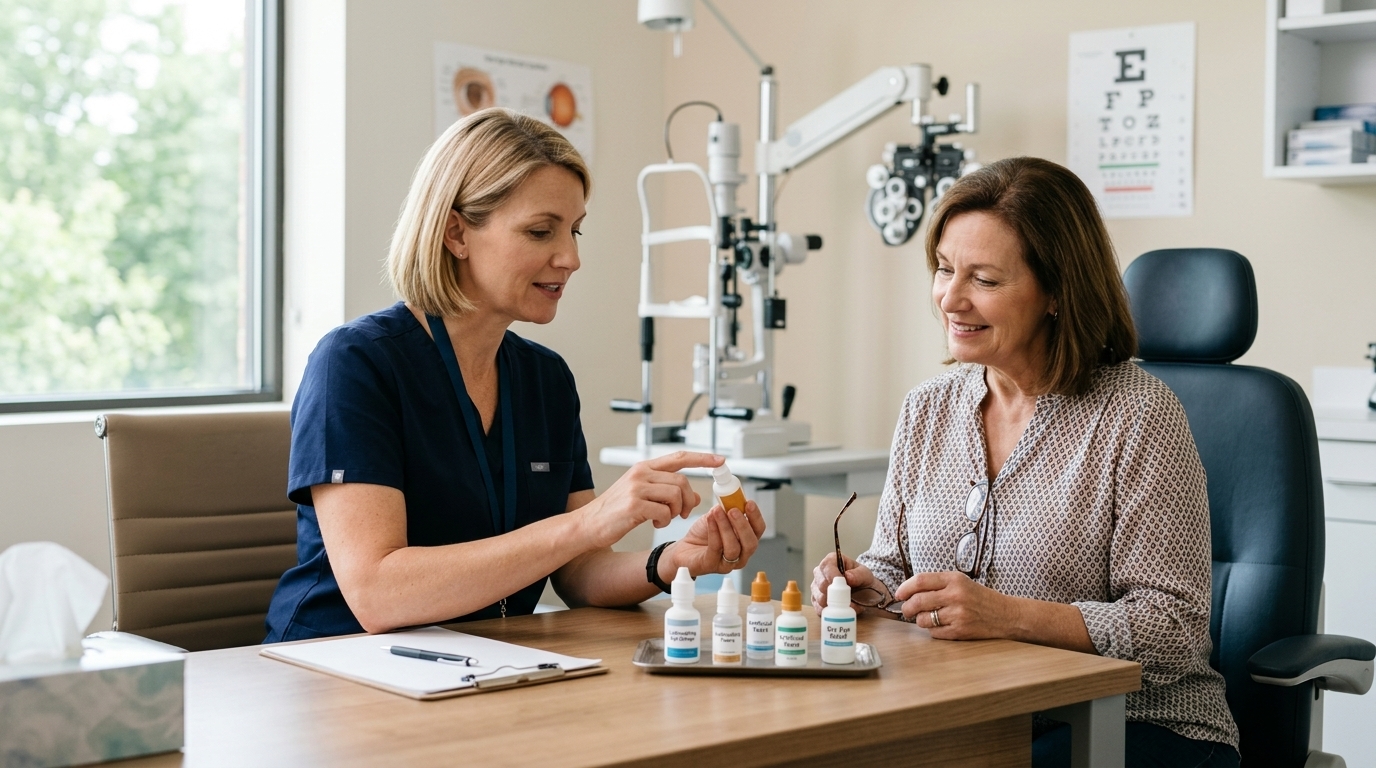
If you use more than one eye medication, ask your eye doctor or pharmacist how long to wait between products. Many patients need to wait several minutes so one drop does not wash out another. If you wear contact lenses, check whether the drop is approved for use with contacts. Some products require you to remove lenses first.
Storage also matters. Keep drops at the temperature listed on the package. Avoid leaving them in a hot car. Keep the cap closed when not in use. Finally, throw away single-use vials after opening, even if a little liquid remains.
When Eye Symptoms Need Professional Care
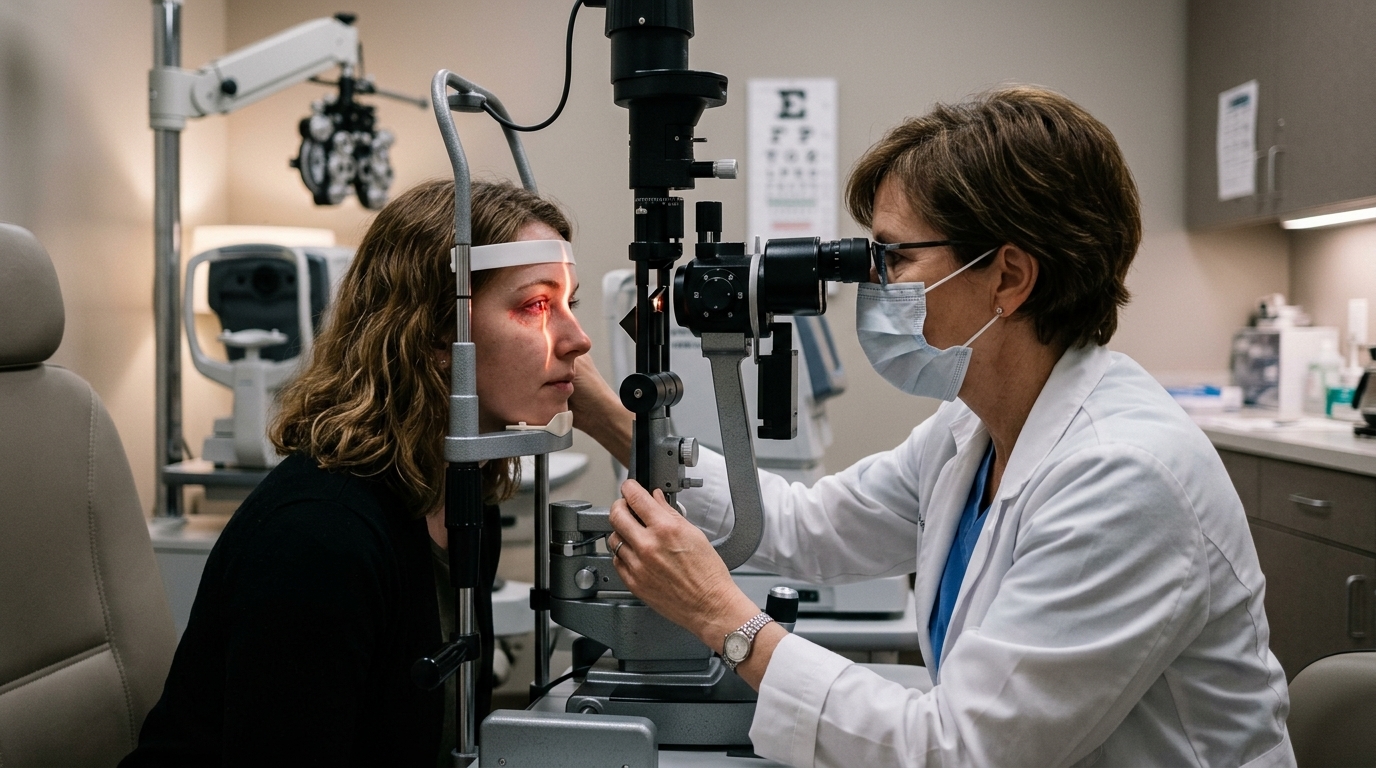
Some symptoms need more than artificial tears. Call an eye care professional if you have eye pain, worsening redness, light sensitivity, discharge, swelling, sudden blurry vision, vision loss, or symptoms after using a recalled product. These warning signs may point to infection, inflammation, corneal irritation, or another problem.
You should also schedule an exam if dry eye keeps returning despite regular drops. Chronic dryness may need a more complete plan. That plan may include lid hygiene, warm compresses, prescription drops, meibomian gland treatment, allergy care, contact lens changes, or screening for underlying health issues.
Dry eye can also overlap with other everyday vision problems. For example, patients who spend long hours on screens may benefit from better lighting, breaks, updated prescriptions, and blink training. The article on Blue Light and Eye Health can help readers separate comfort myths from practical screen habits.
Eye Exams Help Separate Dryness From Something More Serious
An eye exam can show whether symptoms come from simple dryness or something more serious. The doctor can check the tear film, eyelids, cornea, prescription, eye pressure, and overall eye health. This matters because burning and blurry vision do not always have one cause.
For example, cataracts, allergies, inflammation, contact lens irritation, corneal scratches, and infection can all affect comfort. Patients with diabetes, autoimmune conditions, or medication changes may need closer monitoring. For a broader prevention overview, readers can also visit Common Eye Problems and How to Prevent Them.
Eye drop recalls 2026 should not make patients panic. Instead, they should encourage safer habits. Check labels, follow recall notices, avoid expired products, wash hands, keep bottle tips clean, and call an eye doctor when symptoms feel unusual. Artificial tears can still help many people, but they work best as part of a smart eye care routine.
In conclusion, eye health depends on both product safety and daily habits. Dry eye relief is important, but so is knowing when drops are not enough. If your eyes stay red, painful, blurry, or irritated, do not keep switching bottles blindly. Get your eyes checked, review your routine, and use products that match your needs safely.