Cataract lens options 2026 are more advanced than many patients expect. Years ago, cataract surgery often focused on one main goal: remove the cloudy lens and restore clearer distance vision. Today, patients may hear about monofocal lenses, toric lenses, multifocal lenses, EDOF lenses, and light adjustable lenses. That choice can feel exciting, but it can also feel confusing.
A cataract forms when the natural lens inside the eye becomes cloudy. As a result, vision may look blurry, dim, yellow, or hazy. Night driving can become harder. Glare from headlights may feel stronger. Reading, computer work, and daily tasks may also become frustrating. Cataract surgery removes the cloudy lens and replaces it with an artificial intraocular lens, also called an IOL.
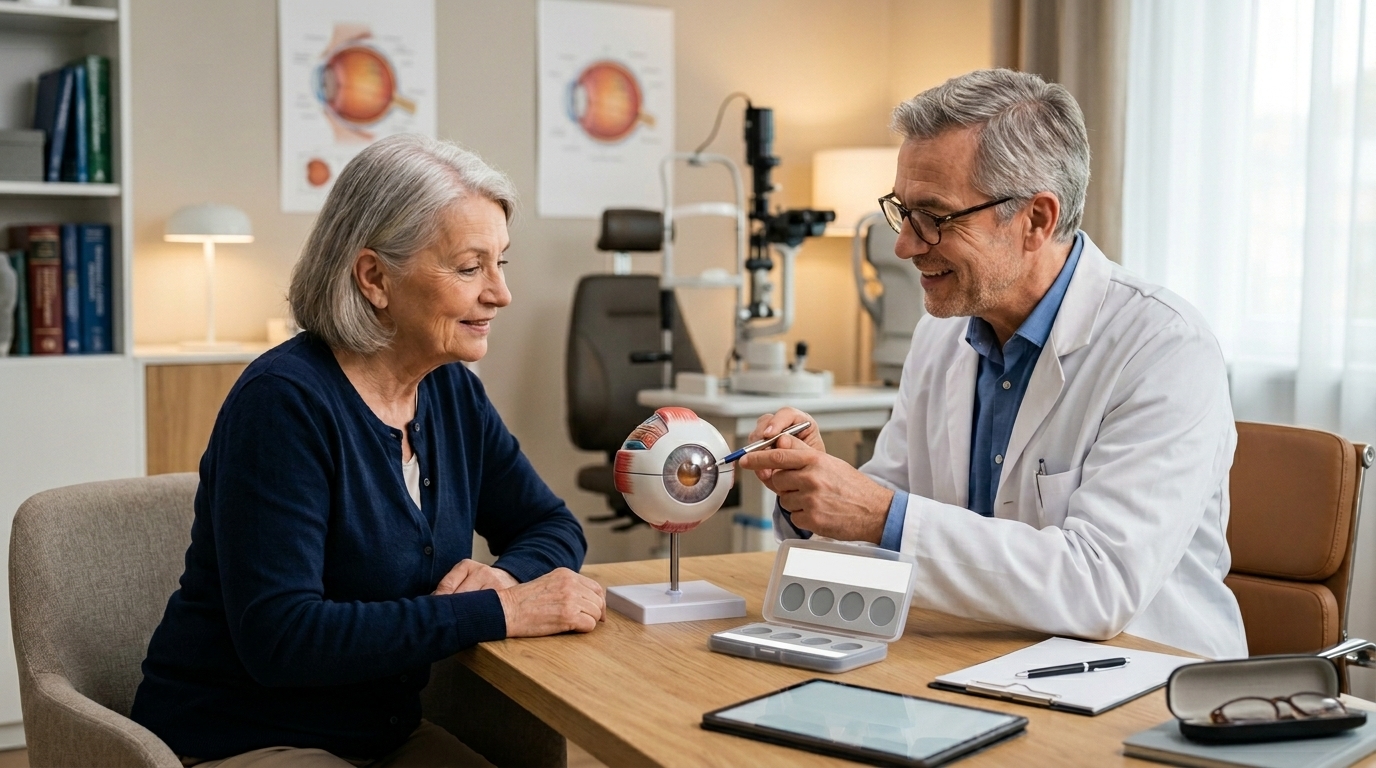
The important point is simple. The lens choice can affect how you see after surgery. Some lenses aim for strong distance vision. Others may reduce the need for glasses at more than one range. Some correct astigmatism. Others allow power adjustment after surgery. Because every eye and lifestyle is different, cataract lens planning should start with a detailed exam and a practical conversation.
This guide connects with other Bridgemill Eye Care resources, including Common Eye Problems and How to Prevent Them, Dry Eye in 2026, Digital Eye Strain in 2026, and Blue Light and Eye Health.
Why Cataract Lens Options Matter More in 2026
Cataract lens options matter because modern patients use their eyes in many different ways. Some drive often at night. Others work on computers all day. Many people switch between phones, tablets, books, dashboards, and outdoor activities. Therefore, the best lens is not always the most expensive lens. It is the lens that fits the patient’s eye health and daily needs.
Before choosing an IOL, the eye care team usually reviews several factors. These include prescription, astigmatism, pupil size, eye surface health, retina health, lifestyle, budget, and visual goals. Dry eye also matters. If the eye surface is unstable, measurements for cataract surgery may become less reliable. For that reason, treating dryness before surgery can support better planning.
Patients should also understand trade-offs. Some premium lenses may reduce dependence on glasses. However, they may also increase glare, halos, or contrast concerns for some people. Other lenses may offer very crisp distance vision but still require reading glasses. A good cataract consultation should explain both benefits and limits.
Monofocal Lenses Remain a Reliable Choice
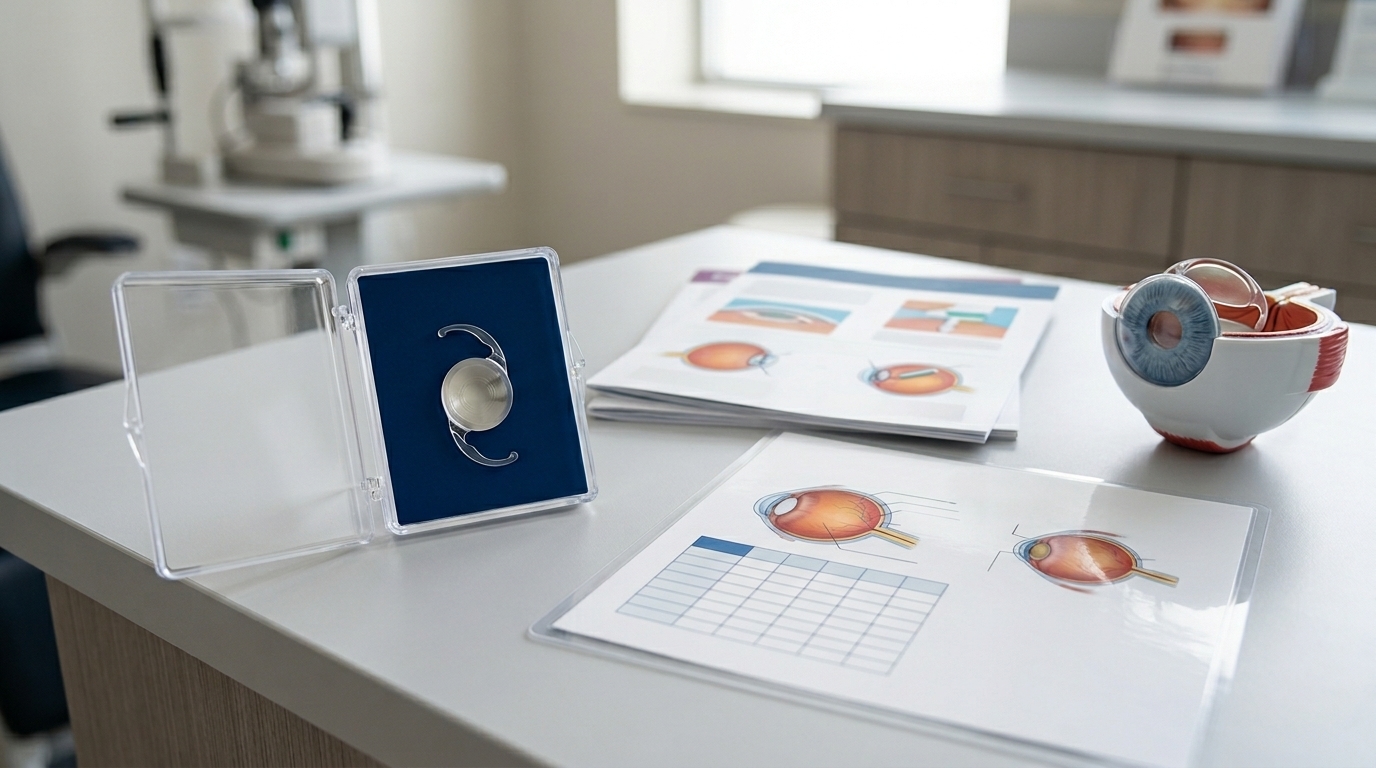
Monofocal lenses focus vision at one main distance. Many patients choose distance vision, then use reading glasses for near tasks. Others may choose near vision and use glasses for driving. Some patients may also discuss monovision, where one eye focuses more for distance and the other for near. However, not everyone adapts well to that setup.
Monofocal IOLs remain popular because they are predictable and widely used. They can provide clear vision when the eye is otherwise healthy. They may also be a good choice for patients who want fewer visual side effects. For example, a person who drives often at night may prefer a lens option with lower risk of halos.
Distance Vision Is Often the Main Goal
Many patients want sharper distance vision after cataract surgery. They want to drive, watch television, walk outdoors, and recognize faces more easily. A distance-focused monofocal lens can support those goals. However, reading glasses may still be needed for books, phones, labels, and close work.
This trade-off is not a failure. It is part of the design. If a patient understands this before surgery, satisfaction is often higher. Clear expectations matter as much as the lens itself.
Astigmatism Can Change the Lens Discussion
Astigmatism can make vision look stretched, shadowed, or distorted. If a patient has meaningful corneal astigmatism, a standard monofocal lens may not fully correct it. In that case, a toric lens may be discussed.
Toric lenses help correct astigmatism during cataract surgery. They may reduce the need for distance glasses in the right patient. Still, accurate measurements and proper lens alignment matter. If the lens rotates or the eye measurement changes, the result may be less clear than expected.
EDOF and Multifocal Lenses Can Reduce Glasses Dependence
EDOF and multifocal lenses are popular because many patients want more freedom from glasses. EDOF means extended depth of focus. These lenses aim to stretch the range of clear vision, often helping distance and intermediate tasks. Intermediate vision matters for computers, dashboards, cooking, and many everyday activities.
Multifocal lenses split light into more than one focal range. They may help with distance, intermediate, and near vision. However, they may also increase glare or halos for some patients. Therefore, careful screening matters. A patient with certain retina problems, severe dry eye, or strong night-driving needs may not be an ideal candidate.
The American Academy of Ophthalmology explains important factors in choosing an IOL here: American Academy of Ophthalmology guide to choosing an IOL.
Computer Users May Ask About Intermediate Vision
Intermediate vision has become more important because many people spend hours at screens. A patient may not only ask, “Can I read?” They may also ask, “Can I see my laptop clearly?” That question matters for office workers, teachers, designers, business owners, and anyone who uses digital devices daily.
EDOF lenses may appeal to patients who value distance and intermediate vision. Still, near reading may require glasses, especially for small print. Patients who already struggle with screen fatigue may also benefit from reviewing digital habits. Bridgemill Eye Care’s article on how to prevent digital eye strain offers helpful comfort tips.
How to Choose the Right Cataract Lens for Your Lifestyle
Choosing among cataract lens options 2026 should not feel like buying a random upgrade. It should feel like matching a medical device to your eyes and your life. Start by listing your most important visual tasks. Do you drive at night? Do you read for long periods? Do you work on a computer? Do you play golf, garden, sew, cook, or use tools? These details help guide the conversation.
Next, be honest about glasses. Some patients want the lowest chance of needing glasses. Others do not mind readers if distance vision becomes sharp. Some want the clearest night driving possible. Others care most about phone and computer use. Because goals differ, two patients with the same cataract may choose different lenses.
Cost should also be discussed early. Some advanced lenses may not receive the same insurance coverage as standard options. That does not mean they are wrong. It means patients should understand the financial side before deciding. A clear explanation helps prevent surprise and regret.
Light Adjustable Lenses Add Another Planning Option

Light adjustable lenses give doctors a way to fine-tune lens power after cataract surgery. After the eye heals, the patient returns for special light treatments that adjust the lens. This can help refine the visual outcome. However, the process requires follow-up visits and strict protection from certain light exposure during the adjustment period.
This option may interest patients who want more customization. Still, it is not for everyone. The patient must commit to the post-surgery schedule and follow instructions carefully. As with other advanced IOLs, eye health, lifestyle, and expectations should guide the decision.
Dry Eye Should Be Treated Before Final Measurements
Dry eye can affect cataract planning because it changes the quality of the eye surface. If measurements are taken when the tear film is unstable, lens calculations may become less accurate. That is why many eye doctors check for dryness before surgery.
Symptoms can include burning, watering, gritty feeling, redness, fluctuating blur, and irritation. Treating dry eye before cataract surgery can make measurements more reliable. It can also improve comfort after surgery. For more details, patients can review Dry Eye in 2026.
In conclusion, cataract lens options 2026 give patients more choices than ever. Monofocal lenses offer reliability. Toric lenses address astigmatism. EDOF lenses may support distance and intermediate vision. Multifocal lenses may reduce glasses use across more ranges. Light adjustable lenses add post-surgery customization. However, every option has trade-offs.
The best choice starts with a complete exam, accurate measurements, and honest lifestyle goals. Do not choose a lens based only on trends. Instead, choose the option that fits your eye health, daily tasks, night-driving needs, screen use, and comfort expectations. With the right plan, cataract surgery can do more than clear cloudy vision. It can help patients enjoy a sharper, more practical visual life.